Safety & Fabric Disclaimer: The disinfection methods listed below are designed to reduce common household germs, dust mites, and pests. Always check the specific care tag on your stuffed animal before applying heat or chemical solutions, as delicate fabrics (like minky) or plastic parts can be damaged by extreme temperatures.
About Our Plush Care Experience: At My Kawaii Toys, we regularly answer questions from plush collectors and parents about washing, safe storage, and maintaining fabric softness. We have compiled these methods based on fabric care standards and safe cleaning practices.
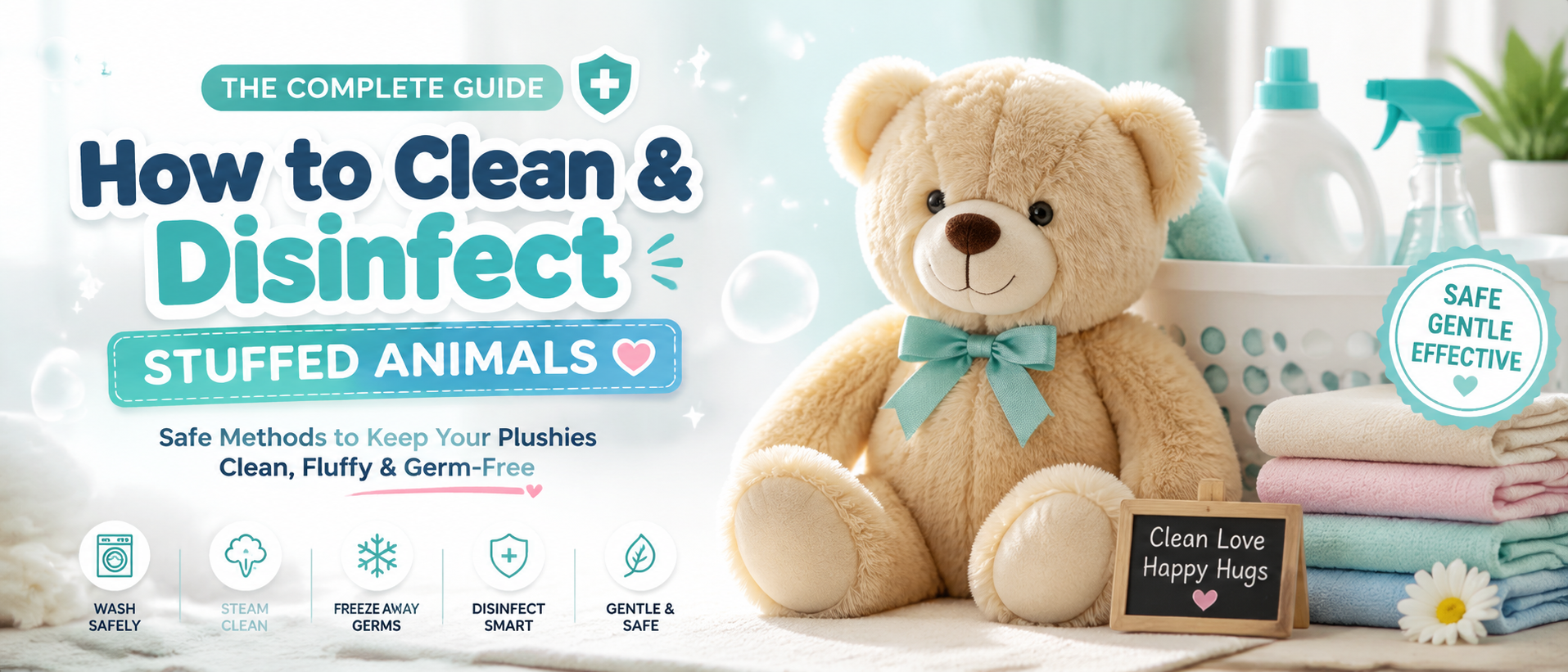
Stuffed animals offer incredible comfort, but they also have a habit of accumulating more than just hugs. Whether flu season has just swept through your home, or you’ve recently scored a rare vintage plushie from a thrift store, making sure your soft companions are truly clean is essential for your peace of mind.
The problem? Tossing a delicate stuffed animal into boiling water or soaking it in harsh bleach will almost certainly ruin its fur or melt its plastic eyes. You need a method that is tough on germs but gentle on kawaii fabrics.
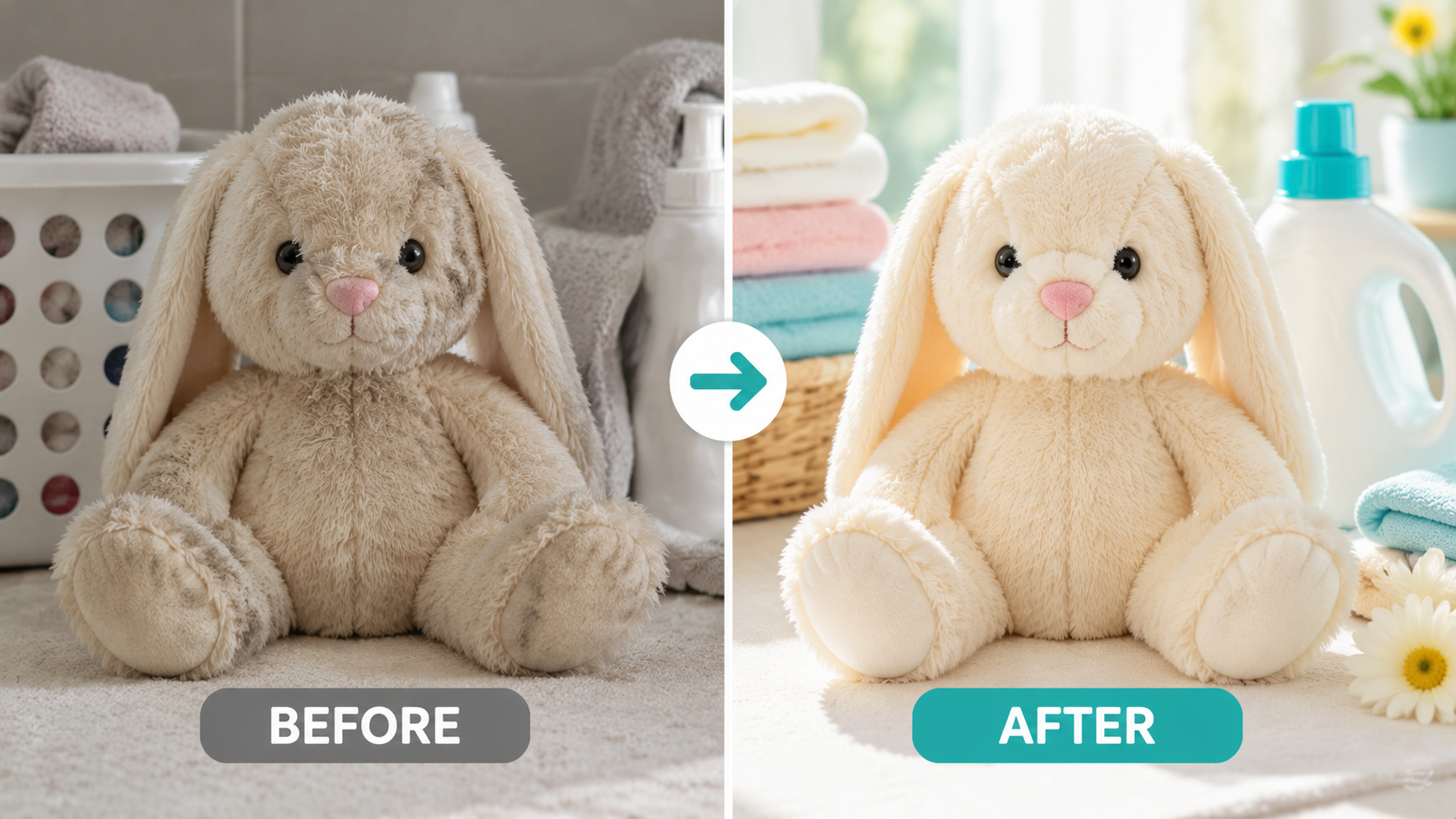
Cleaning vs. Disinfecting Stuffed Animals: What’s the Difference?
Before throwing your toy into the wash, it is important to understand what you are actually trying to achieve. Many people confuse cleaning with disinfecting, but they serve two very different purposes.
| Action | Primary Goal | Common Methods | Best Used For |
|---|---|---|---|
| Cleaning (Washing) | Remove visible dirt, stains, and everyday odors. | Gentle machine wash, spot cleaning with mild soap. | Daily care, maintaining aesthetics, routine upkeep. |
| Disinfecting | Reduce invisible germs, viruses, and pests. | Steam, laundry sanitizers, freezing. | After illness, thrifted toys, allergy control. |
When Should You Disinfect a Stuffed Animal?
You do not need to rigorously disinfect your plushies every week—doing so can actually wear out the fabric prematurely. However, deep sanitization is highly recommended in the following scenarios:
- After an Illness: If you or your child has recovered from the flu, a stomach bug, or strep throat, and the toy was in bed with the sick person.
- After Buying Second-Hand: Thrift store or garage sale finds can harbor unknown bacteria, dust mites, or even bed bugs.
- After Pet Exposure: If a dog or cat has heavily soiled or chewed on a stuffed animal that is meant for a child.
- For Allergy Sufferers: When dust mites trigger asthma or severe seasonal allergies.
Just need a regular wash?
If you only need to remove everyday grime or a coffee stain from your collection, harsh sanitization isn’t necessary. Read our gentle guide on How to Wash Plush Toys Safely to learn how to clean them and restore their softness after washing!
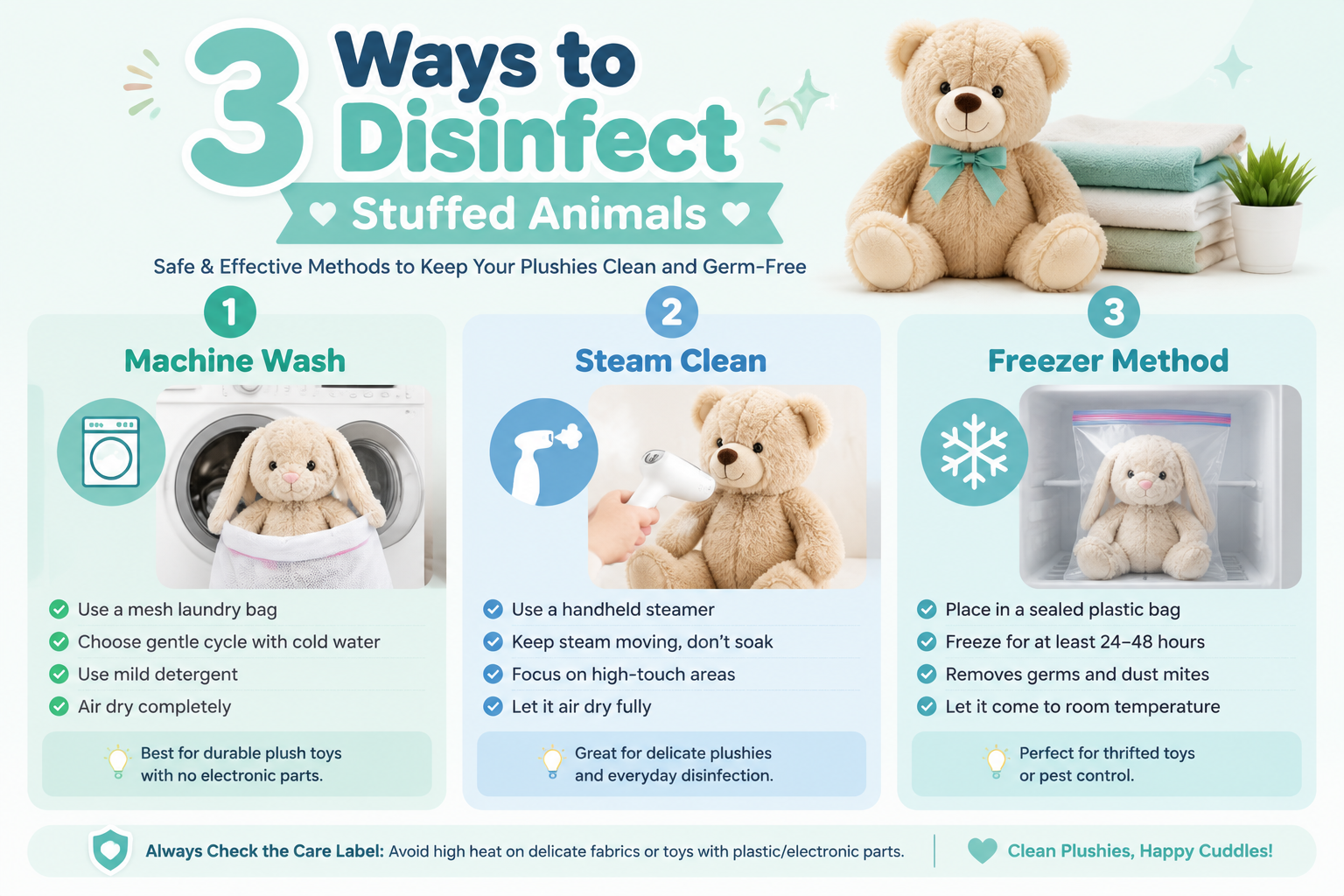
Quick Decision Matrix: Choose Your Disinfecting Method
Not all stuffed animals can handle the same treatment. Use this quick guide to choose the safest method based on your plushie’s material.
| Disinfecting Method | Best For (Toy Type) | What It Targets | Fabric Safety Level |
|---|---|---|---|
| Washer + Sanitizer | Durable, machine-washable toys | Flu viruses, Bacteria | ⭐⭐⭐ (Medium) |
| Garment Steamer | Giant plushies, non-washable toys | Surface Bacteria, Viruses | ⭐⭐⭐⭐ (High) |
| The Freezer Method | Thrifted toys, delicate fabrics | Dust Mites, Some Insects | ⭐⭐⭐⭐⭐ (Excellent) |
Method 1: The Heat & Sanitizer Method (For Washable Toys)
If your stuffed animal has no electronic parts (like voice boxes) and its care tag permits machine washing, this is the most thorough way to sanitize it after an illness.
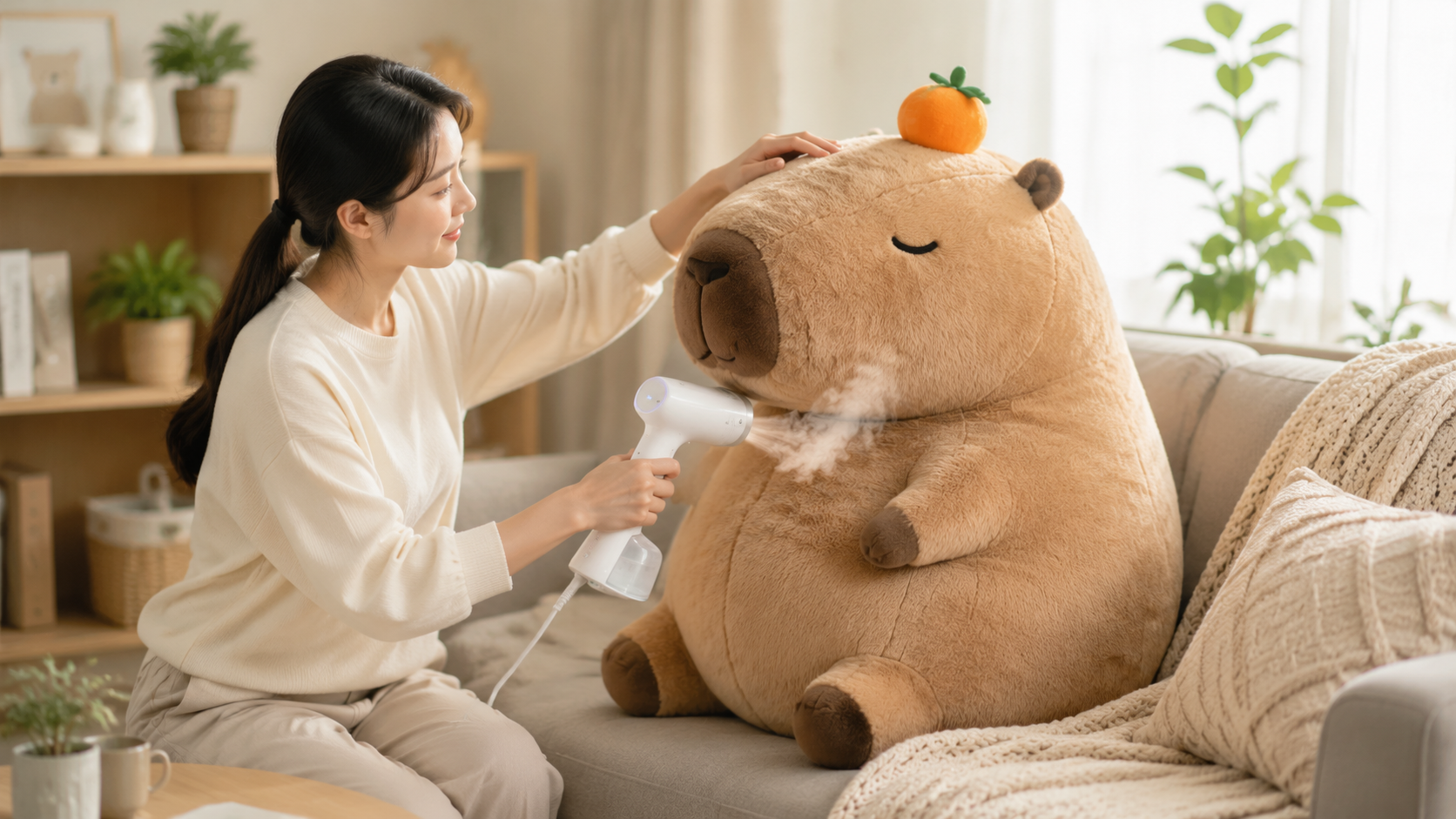
Method 2: The Steam Cleaning Method (For Giant & Non-Washable Toys)
What if you have a massive giant capybara comfort plush that simply won’t fit in the washing machine? The solution is high-heat steam. Steam reaches temperatures over 212°F (100°C), which effectively targets surface bacteria without soaking the internal stuffing.
- Fill a handheld garment steamer with distilled water and let it heat up fully.
- Hold the steamer nozzle about 1 to 2 inches away from the plushie’s fur.
- Slowly run the steam over the entire surface of the toy, paying special attention to areas that are frequently touched or hugged.
- Let the toy air dry completely in a well-ventilated room or under a ceiling fan to prevent internal mold.
Method 3: The Freezer Method (For Thrifting & Allergies)
If you just bought a vintage plushie from a thrift store, washing old fabrics might destroy them. The freezer method is your safest physical alternative, as extreme cold can help reduce pests such as dust mites and some insects when used properly.
⚠️ Can You Use Lysol on Stuffed Animals?
While aerosol disinfectants like Lysol kill germs, we do not recommend spraying them heavily directly onto plush toys for several reasons:
- Sticky Residue: Sprays leave behind a chemical residue that binds to the fur, making it stiff and attracting more dirt over time.
- Skin Contact: If you or your child sleep closely with the plushie, prolonged skin contact with these harsh chemicals can cause rashes or irritation.
- Artificial Fragrances: Strong aerosol scents trapped in fabric can be overwhelming and irritate the respiratory tract. Always opt for wash-in sanitizers, steam, or baby-safe alternatives!
When Should You Replace a Stuffed Animal Instead?
Sometimes, despite your best efforts, a stuffed animal is simply beyond saving. It is important to know when a toy poses more of a hygiene risk than a comfort benefit. You should discard and replace a plush toy if you notice:
- Permanent Odors: If a mildew or thrift store smell persists after washing and freezing.
- Mold: Black spots on the fabric or deep within the stuffing.
- Severely Damaged Seams: If the stuffing is exposed and falling out, it becomes a choking hazard and cannot be washed safely.
Find Your Fresh, Clean Comfort Companion ✨
If your old stuffed animal is too damaged to be safely disinfected, it might be time to let it go. Treat yourself to a brand-new, hygienic comfort plush.
Explore our kawaii plush collection—crafted with premium, safe fabrics and delivered fresh and clean straight to your door.
Frequently Asked Questions
If the toy has batteries, delicate fabrics, or is too giant for a washer, you can sanitize it without soaking it by using a handheld garment steamer, placing it in the freezer for 72 hours in a sealed bag, or wiping the surface with a damp cloth and mild antibacterial soap.
Yes, provided the toy’s care tag allows machine washing and it has no electronic parts. Use a mesh laundry bag, warm water, and a color-safe laundry sanitizer (like Lysol Laundry Sanitizer) in the rinse cycle, followed by a low-heat tumble dry.
For toys that are slept with every night, a gentle surface clean or wash every 3 to 4 weeks is ideal. Toys sitting on shelves for display only need to be dusted or lightly vacuumed every few months. Deep disinfection is only necessary after an illness or pest exposure.
Flu and cold viruses typically survive on porous surfaces like plush toy fabrics for 12 to 48 hours. If you don’t want to wash the toy immediately, simply placing it in a quarantine bag in a dry area for 3 to 4 days will allow most common viruses to die off naturally.