Reviewed by: My Kawaii Toys Wellness & Product Analytics Team
Methodology: Based on historical customer behavior tracking, post-purchase feedback across global demographics, and established physiological data regarding tactile stress regulation.
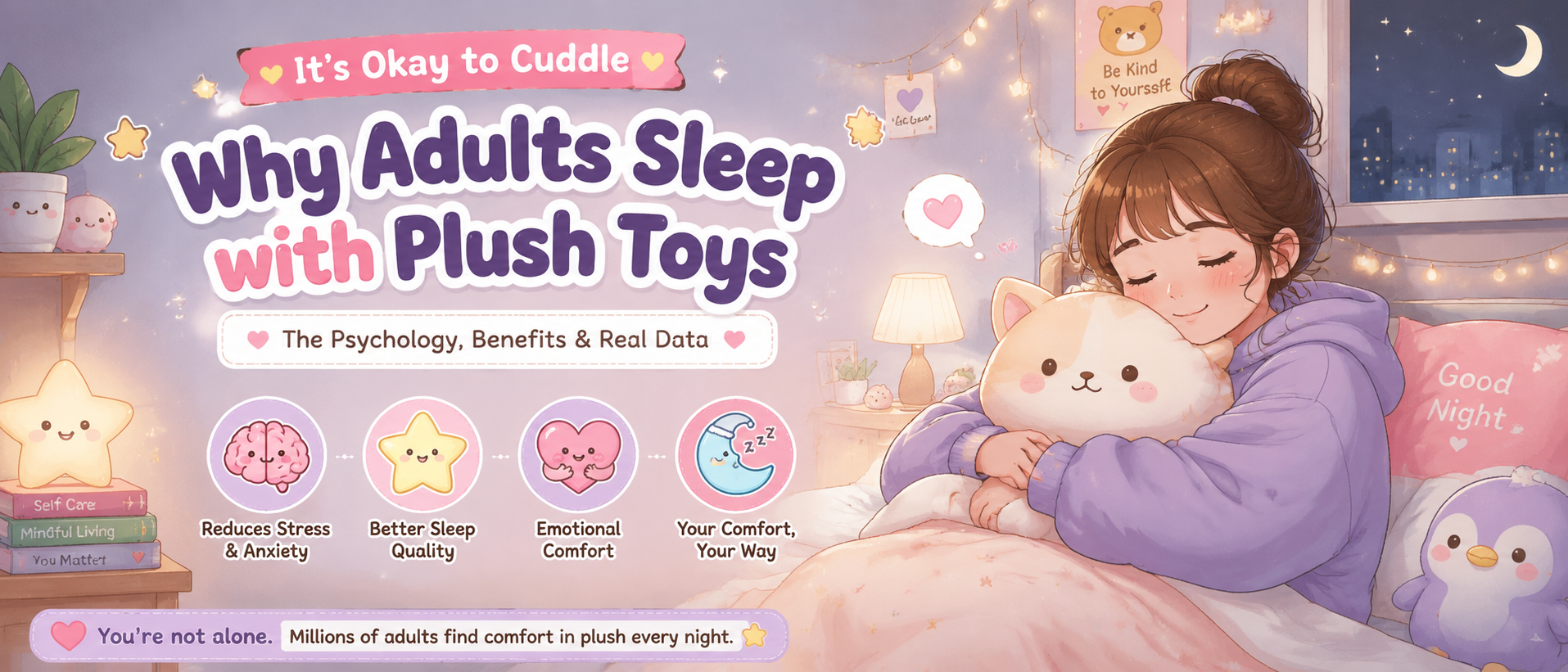
Many individuals believe that crawling into bed with an adult plush toy is a habit left behind in early childhood. However, global consumer data tells a completely different story. If you keep an emotional support plush on your mattress, you belong to a massive, rapidly growing demographic of modern adults seeking functional comfort.
Unfortunately, social taboos often surround this harmless choice with unnecessary stigma, leaving collectors feeling embarrassed. It’s time to look past the misconceptions. Choosing to sleep with stuffed animals as an adult is a legitimate, psychologically recognized mechanism for anxiety reduction and sleep hygiene improvement.
Is It Normal for Adults to Sleep with Stuffed Animals? (The Statistics)
If you have ever hidden your plushies before hosting guests, the numbers prove your habit is entirely mainstream. Industry studies indicate that roughly 30% to 40% of adults continue to sleep with comfort objects. At My Kawaii Toys, our order demographics show consistent purchasing patterns from high-stress professionals, college students, and apartment dwellers worldwide, proving that the need for a physical comfort companion spans all stages of adult life.
What Psychology Research Says About Comfort Objects
🧠 Theoretical Framework: Transitional Objects
In mid-20th-century psychoanalysis, Dr. Donald Winnicott coined the term “transitional objects” to describe the blankets and stuffed animals children use to navigate emotional separation from parents. Modern attachment theory demonstrates that adults continue to use physical proxies to bridge gaps during emotional transitions—such as moving to a new city, switching careers, or living alone for the first time.
Furthermore, clinical trauma recovery models frequently utilize anxiety relief toys and plush textures as standard grounding tools to help individuals anchor their minds during sensory overload or panic episodes.
What Happens in Your Brain When You Hug a Plush Toy?
The sensation of hugging an ultra-soft object triggers a direct biochemical reaction within your central nervous system. This isn’t just imagination; it’s a physical response to tactile stimulation:
- Oxytocin Release: Deep pressure touch and soft fabrics signal the brain to release oxytocin, the neurochemical responsible for feelings of safety, connection, and lowered heart rates.
- Cortisol Suppression: Stroking regular, high-density faux fur works as a physical grounding technique, actively lowering cortisol (stress hormone) production and stopping nighttime racing thoughts.
- Vagus Nerve Stimulation: Hugging a dense plushie against your chest applies subtle pressure that stimulates the vagus nerve, guiding your body out of “fight-or-flight” mode and into deep relaxation.
Why Stuffed Animals Matter: The Emotional Benefits & Textures
Different daily stressors require specific physical responses. Matching your emotional state to the proper structural texture maximizes the psychological benefits:
| Targeted Stressor | Physiological Action | Optimal Plush Taxonomy |
|---|---|---|
| High Sensory Burnout | Lowers central nervous system arousal through consistent touch. | Minimalist aesthetic plush with low-contrast palettes |
| Severe Evening Anxiety | Simulates deep touch pressure mimicking a weighted blanket. | Weighted plush toys (1-2kg fill) |
| Isolation & Loneliness | Provides physical counter-pressure to simulate a secure presence. | Large, huggable cylindrical body pillows |
| Sleep Onset Insomnia | Cues the brain’s sleep routine via sensory familiarity. | Ultra-soft sleep plush with premium faux fur |
Who Uses Plush Toys as Adults? (Real User Profiles)
Through our direct community feedback channels, we have identified three major adult demographics that benefit most from keeping plushies in bed:
- The High-Stress Professional: Corporate workers, medical staff, and tech professionals who experience intense mental fatigue use the tactile softness of plushies to decompress quickly before falling asleep.
- The Solo Dweller: Individuals living alone in studio apartments or moving to new cities use large plushies to fill empty space on a bed, providing immediate psychological comfort.
- The Neurodivergent Collector: Adults with ADHD or sensory processing differences rely heavily on high-quality plush textures for stimming, self-regulation, and preventing bedtime sensory overload.
How Plush Toys Improve Sleep Quality
Integrating a dedicated comfort object into your evening routine yields measurable improvements in sleep architecture:
- Reduces Sleep Onset Latency: By actively suppressing cortisol production, holding a plushie helps calm a racing mind, allowing you to drop into initial light sleep much faster.
- Establishes a Behavioral Cue: Pulling your sleep plush companion close acts as an immediate sensory signal to your brain that it is time to shut down, establishing a consistent neurological routine.
- Provides Ergonomic Alignment: Medium-to-large cylindrical plushies function excellently as orthopedic support pillows, helping keep your spine, hips, and shoulders aligned throughout the night.
When Should Adults Use Plush Toys for Comfort?
You don’t need to save your plushies just for bedtime. Utilizing them during specific emotional windows can prevent stress from compounding:
- The Immediate Post-Work Decompress: Spending 10 minutes resting with a high-density plush right after logging off helps separate your professional headspace from your personal relaxation time.
- During Acute Anxiety Episodes: Using the physical weight of a plushie on your chest serves as an excellent sensory anchor during panic attacks or intense worry.
- While Traveling or Navigating Jet Lag: Bringing a compact, familiar-smelling plush on long trips provides sensory consistency in unfamiliar hotel rooms, making it easier to fall asleep.
5 Common Misconceptions About Adult Plushie Ownership
If you still feel hesitant about embracing comfort objects, let’s debunk the most pervasive myths:
- Myth 1: It means you are childish. Fact: It means you possess high emotional intelligence and actively understand how to regulate your stress levels naturally.
- Myth 2: It indicates emotional weakness. Fact: Using physical anchors for comfort is a universally healthy human coping strategy utilized across all age groups and cultures.
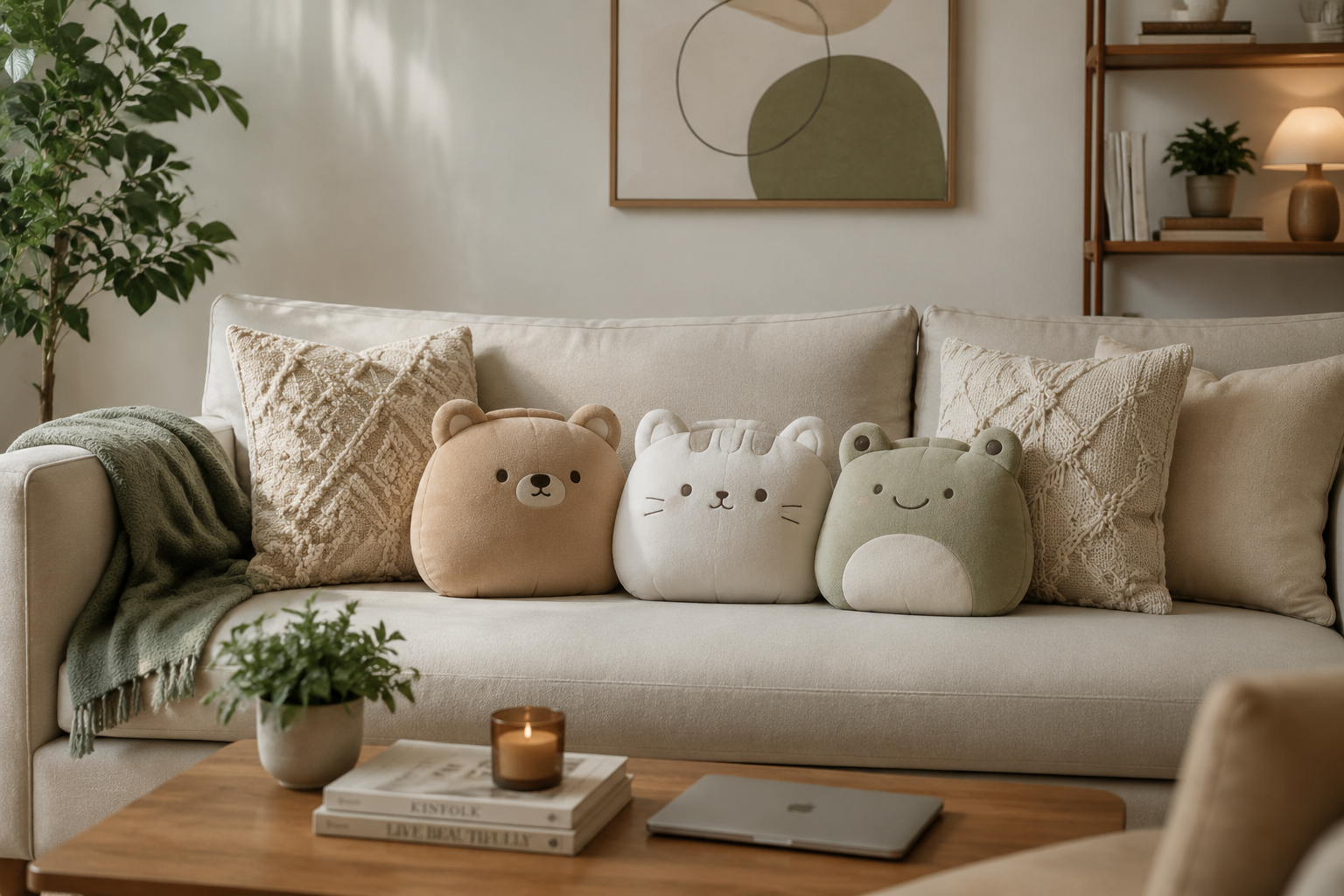
- Myth 3: Plushies look messy in an adult bedroom. Fact: Modern, curated designs use elegant color palettes that blend perfectly with luxury bedding.
- Myth 4: It interferes with romantic relationships. Fact: Openly embracing your comfort tools indicates strong self-awareness, an attribute highly valued in healthy adult relationships.
- Myth 5: Plushies are major dust collectors. Fact: High-quality plushies are incredibly easy to maintain. By following a basic care routine, they stay perfectly hygienic.
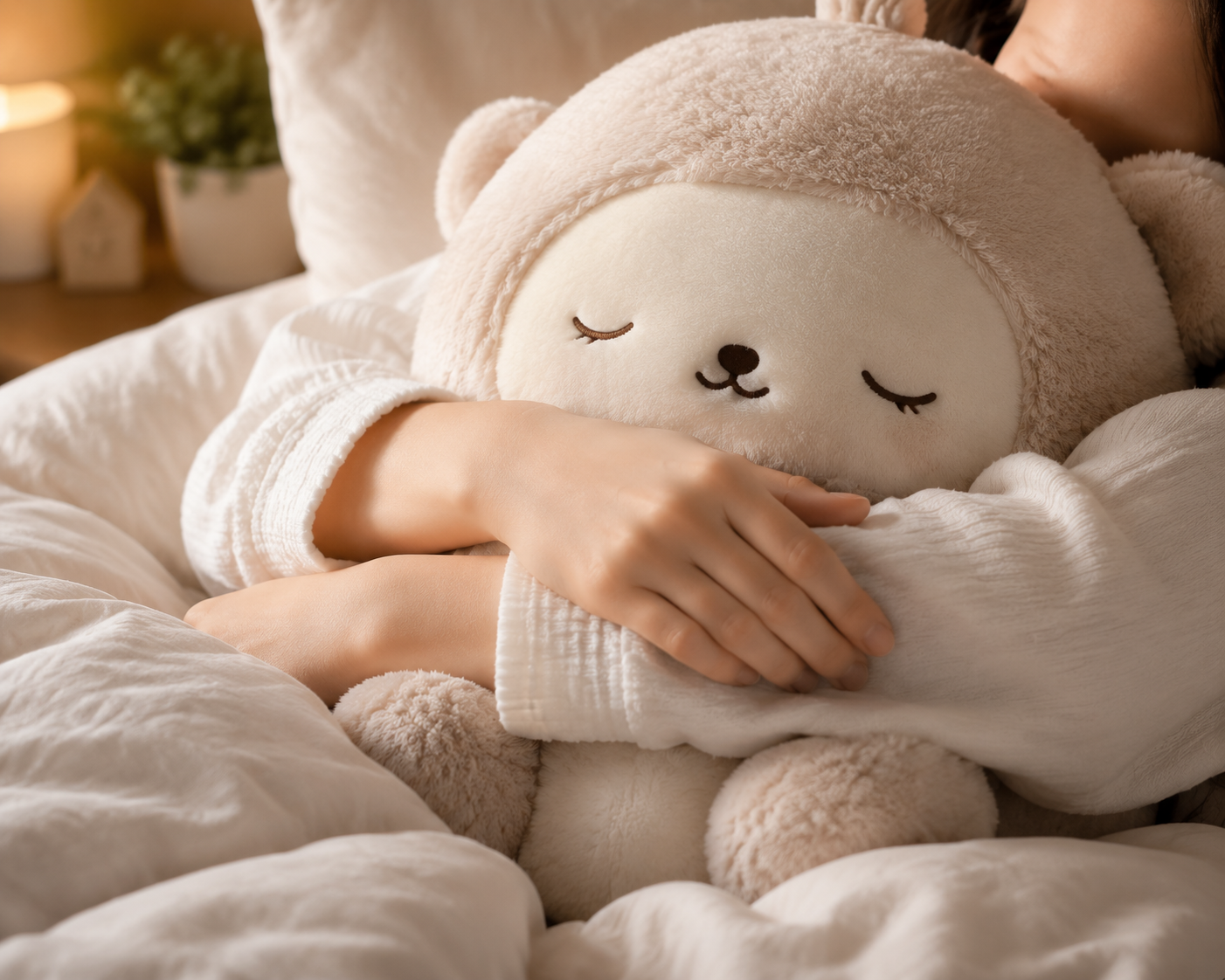
Types of Plush Toys for Adults: Finding Your Match
When selecting a sleep companion, avoid cheap carnival toys or bright mass-market products. Focus on adult-centric categories:
- Weighted Plush Toys: Perfect for deep touch pressure stimulation to combat intense evening panic.
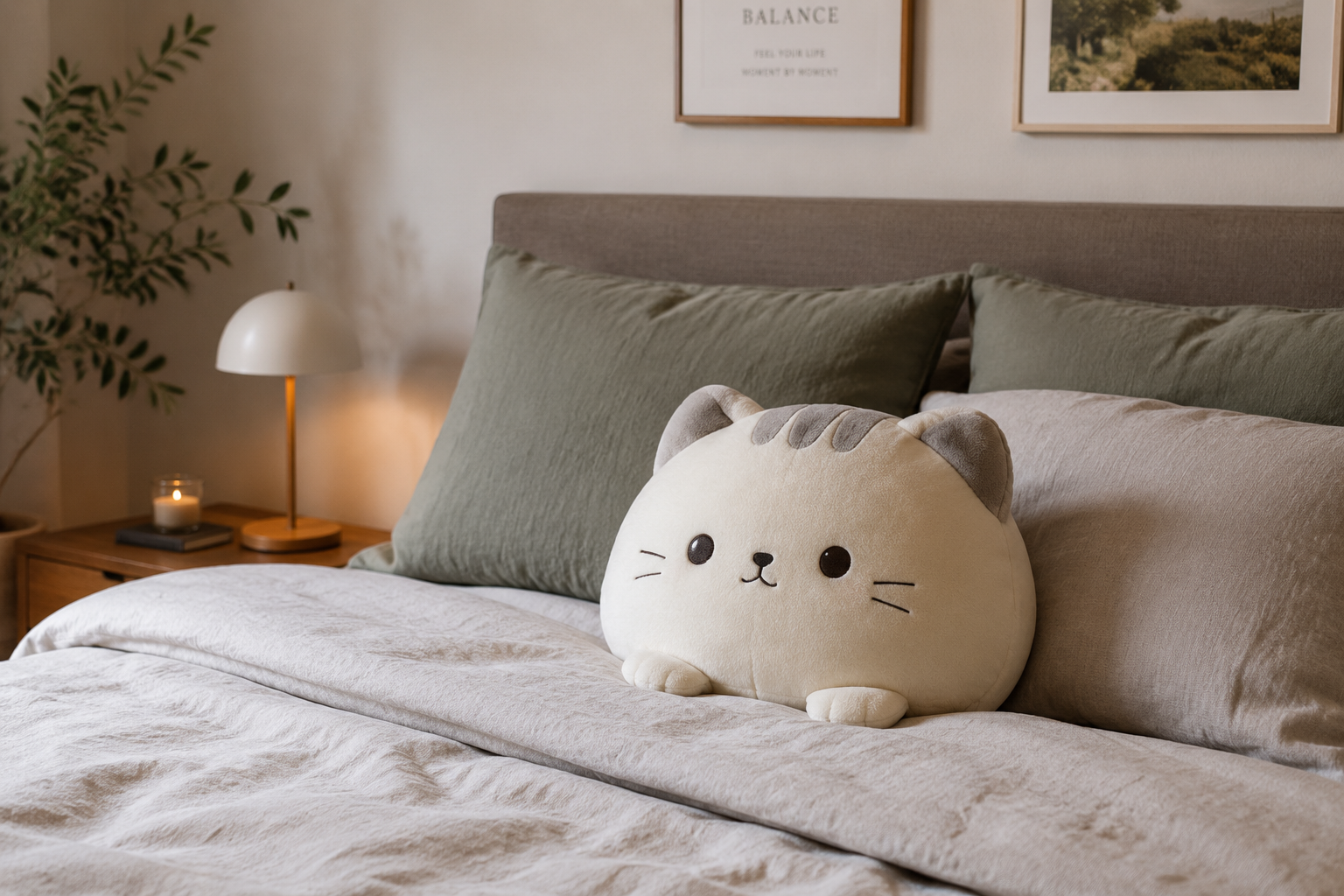
- Minimalist Aesthetic Plush: Designed with neutral tones to blend beautifully into a modern, mature bedroom space.
- Ultra-Soft Sleep Plush: Built specifically with hypoallergenic materials and seamless finishes for maximum skin contact comfort.
- Large Huggable Plush: Long, cylindrical structures ideal for side-sleepers needing hip and arm alignment.
💬 Real Voices from the Plushie Community
We gathered anonymous feedback from adult collectors across Reddit and our customer base to share what having a comfort object really feels like:
Find Your Sleep Comfort Companion
You deserve a soft, quiet place to land at the end of a demanding day. Explore our curated line of premium, ultra-soft plushies designed specifically for adult relaxation, mental well-being, and mature bedroom aesthetics.
Frequently Asked Questions
Adults sleep with stuffed animals primarily for physical grounding, emotional comfort, and anxiety reduction. Tactile contact with soft fabrics triggers the release of oxytocin, which naturally counters daily stress and lowers heart rates before sleep.
Yes, clinical psychology recognizes plush toys as beneficial transitional objects or comfort anchors. They provide a safe, non-judgmental sensory outlet for managing stress, processing transitions, or dealing with loneliness.
The 40–70cm range is ideal for adults. This size offers enough physical volume to hug comfortably and align the arms and hips during side-sleeping without taking up too much bed space.
Because of daily skin and oils contact, we recommend cleaning your sleep plush every 3–4 weeks. Spot-clean minor stains immediately, and perform a gentle delicate machine wash inside a mesh protective bag using cold water when needed.